Counterweight
Curatorial Statement
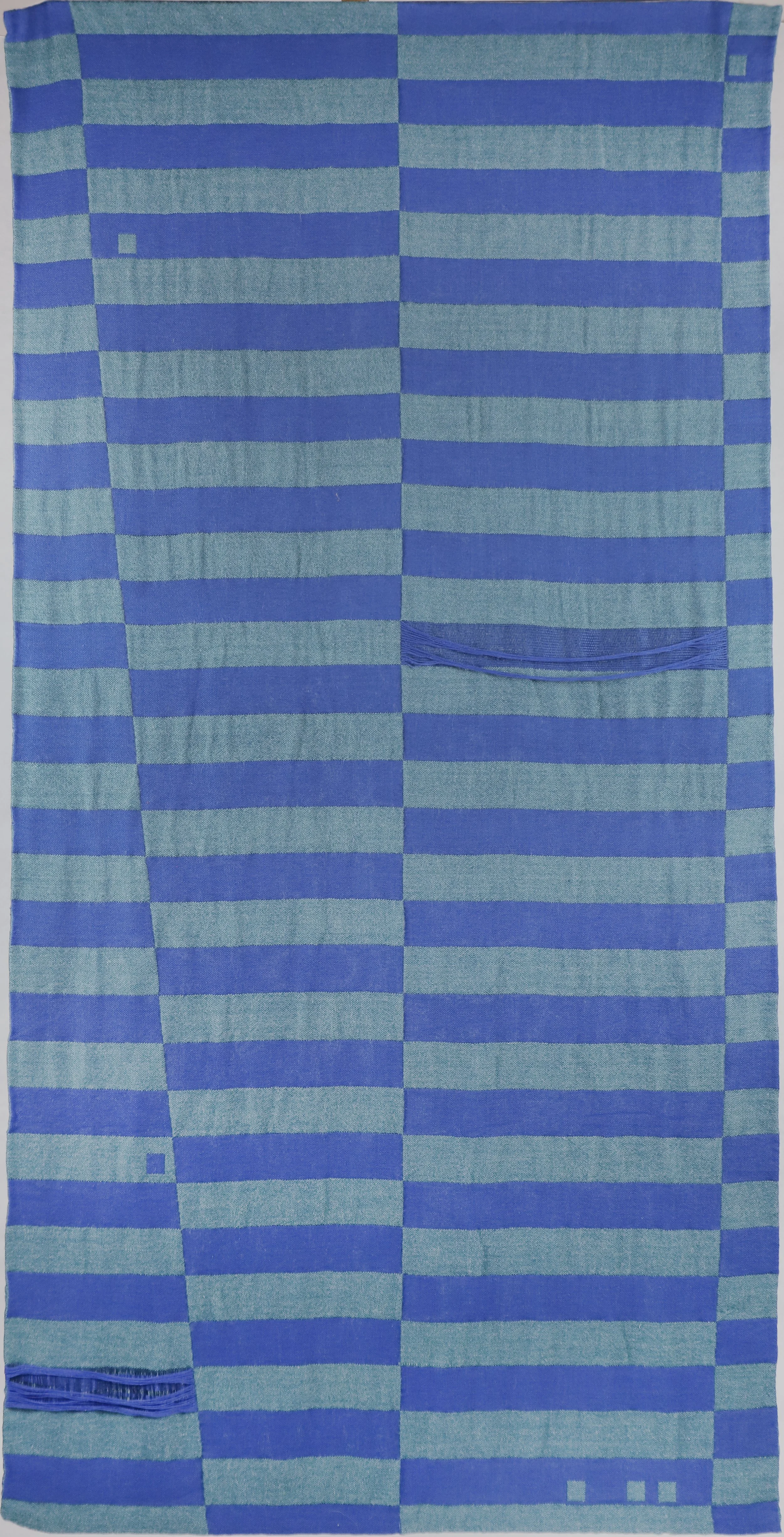
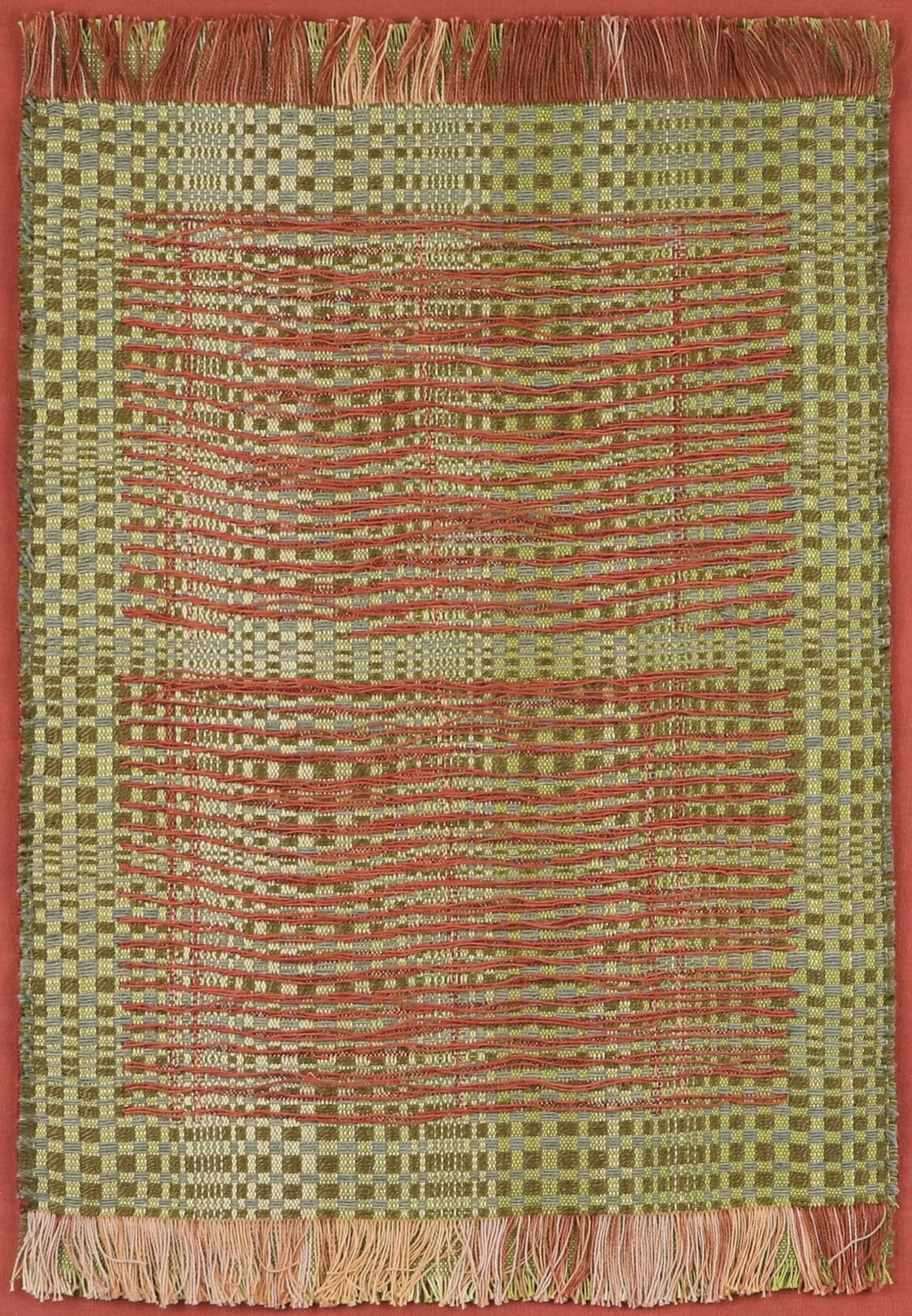
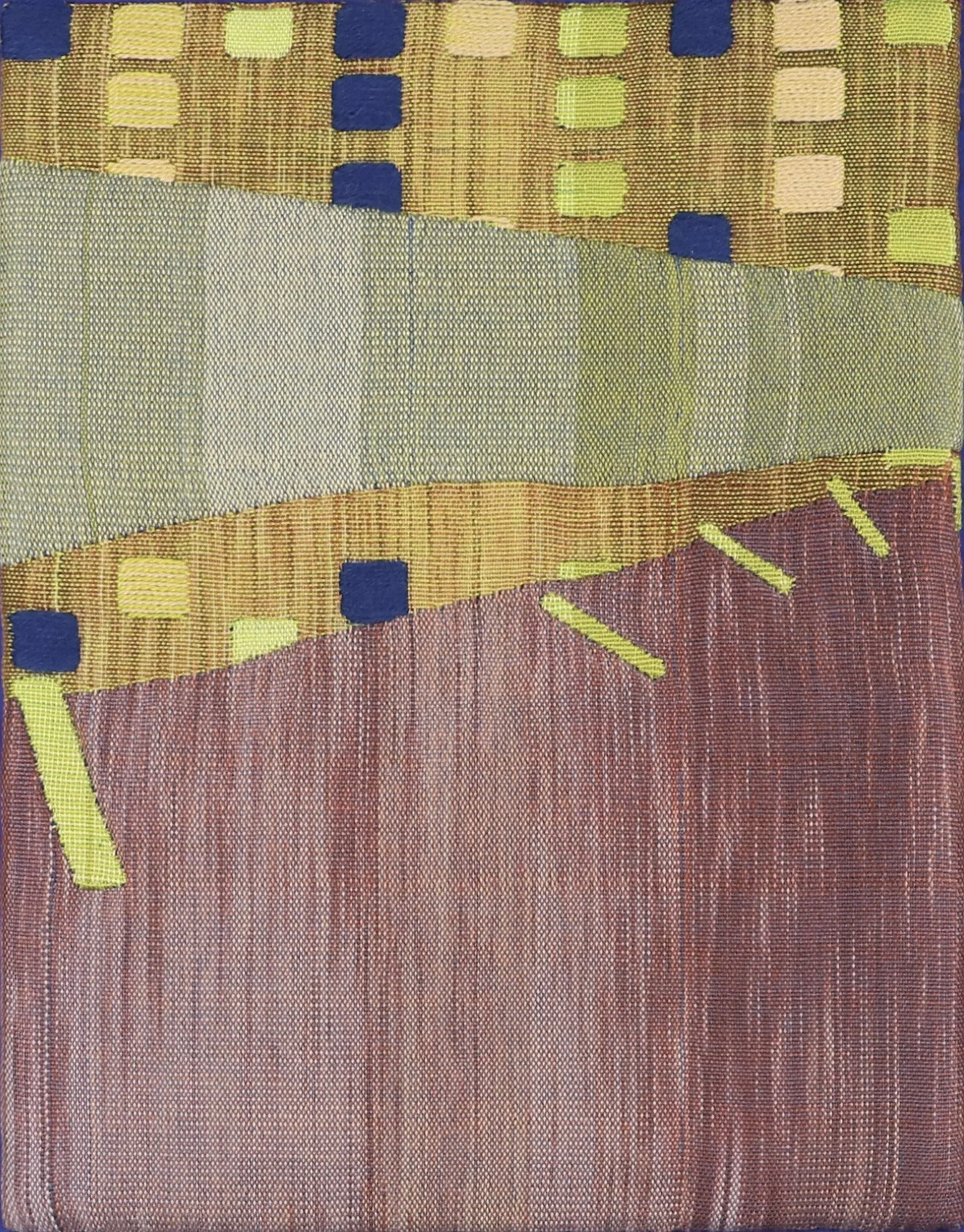
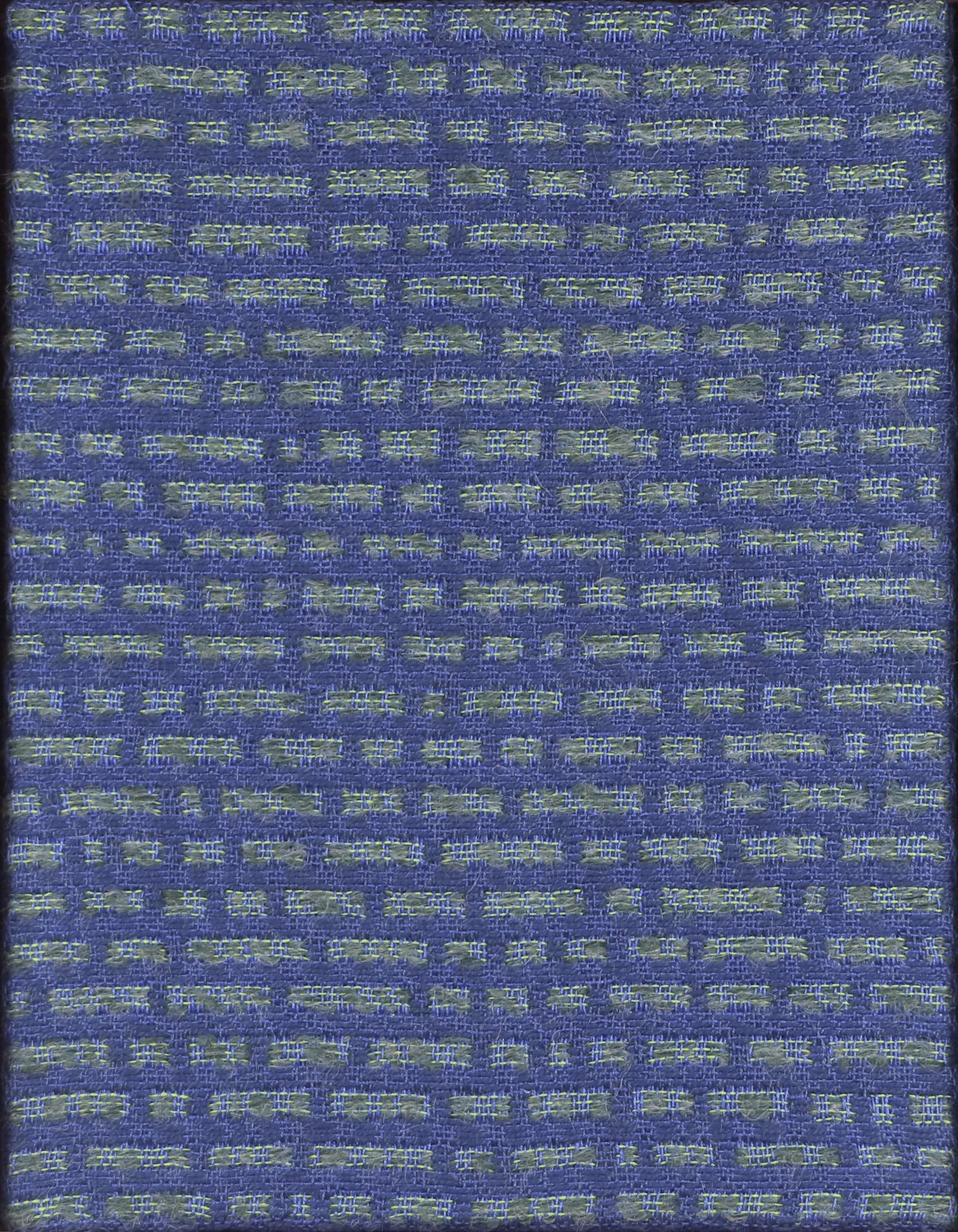
Weaving is an orchestration of tension and release, where structure is produced through the careful negotiation of warp and weft, pattern and material. Though the loom operates as a mechanical system, it is the human hand that determines the sequence and activates the pattern. A pattern is revealed not only on the loom, but also in the artist’s manipulation of tension, color, and negative space. In Counterweight, Kimberly English mediates the logic of the loom, textile histories, and human labor to create compositions of a careful balance between density and negative space, abstraction and history.
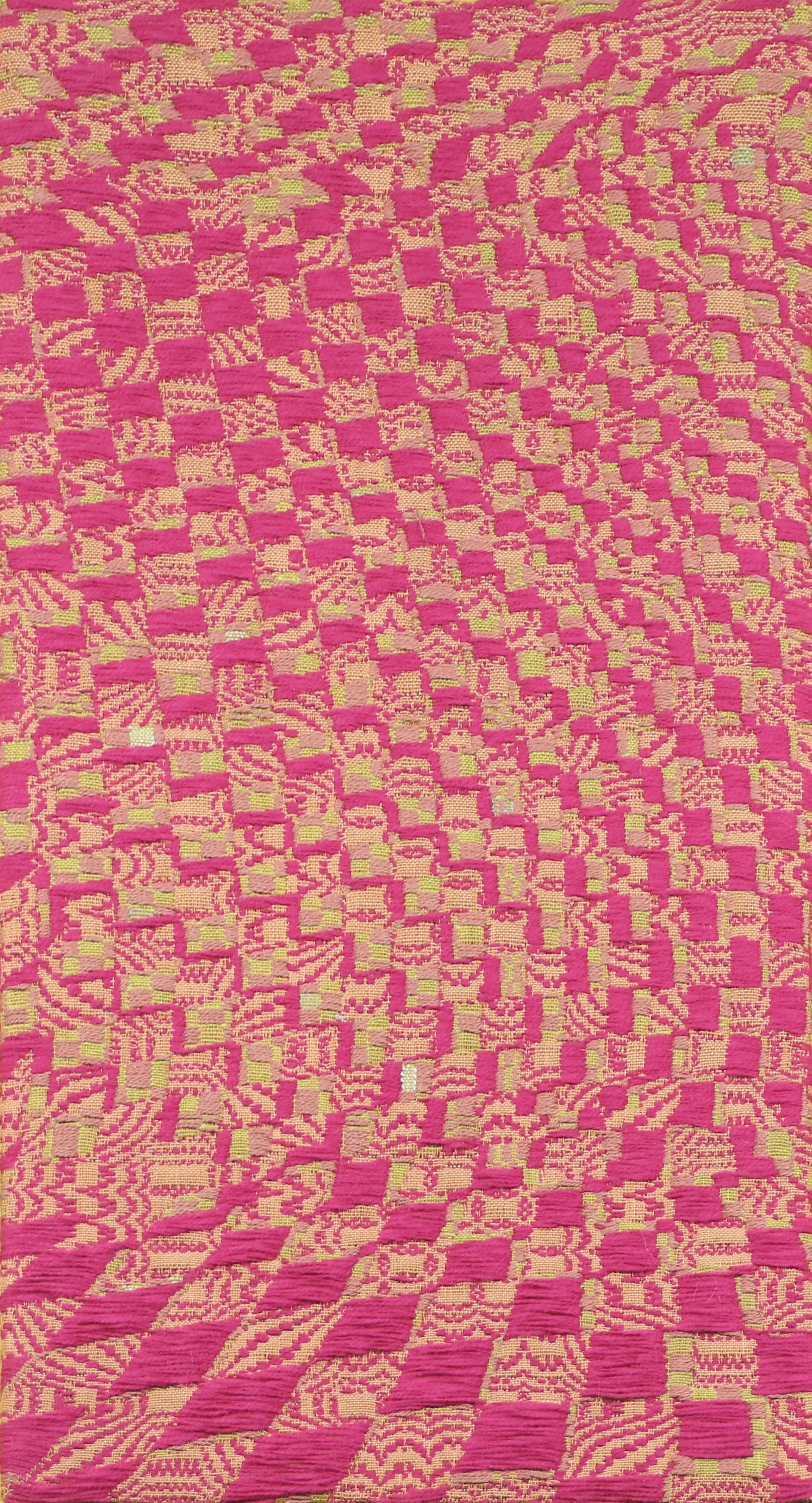
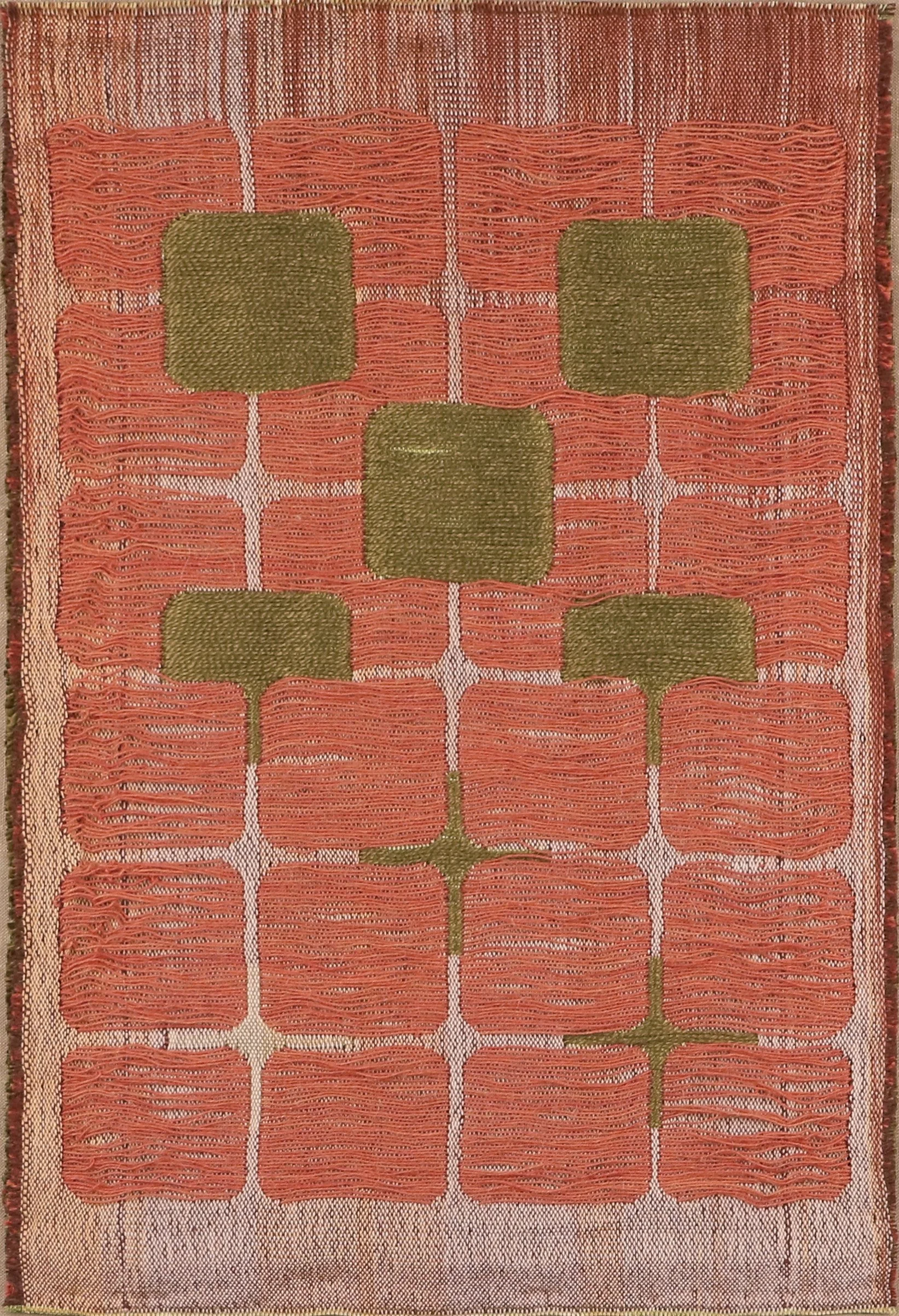
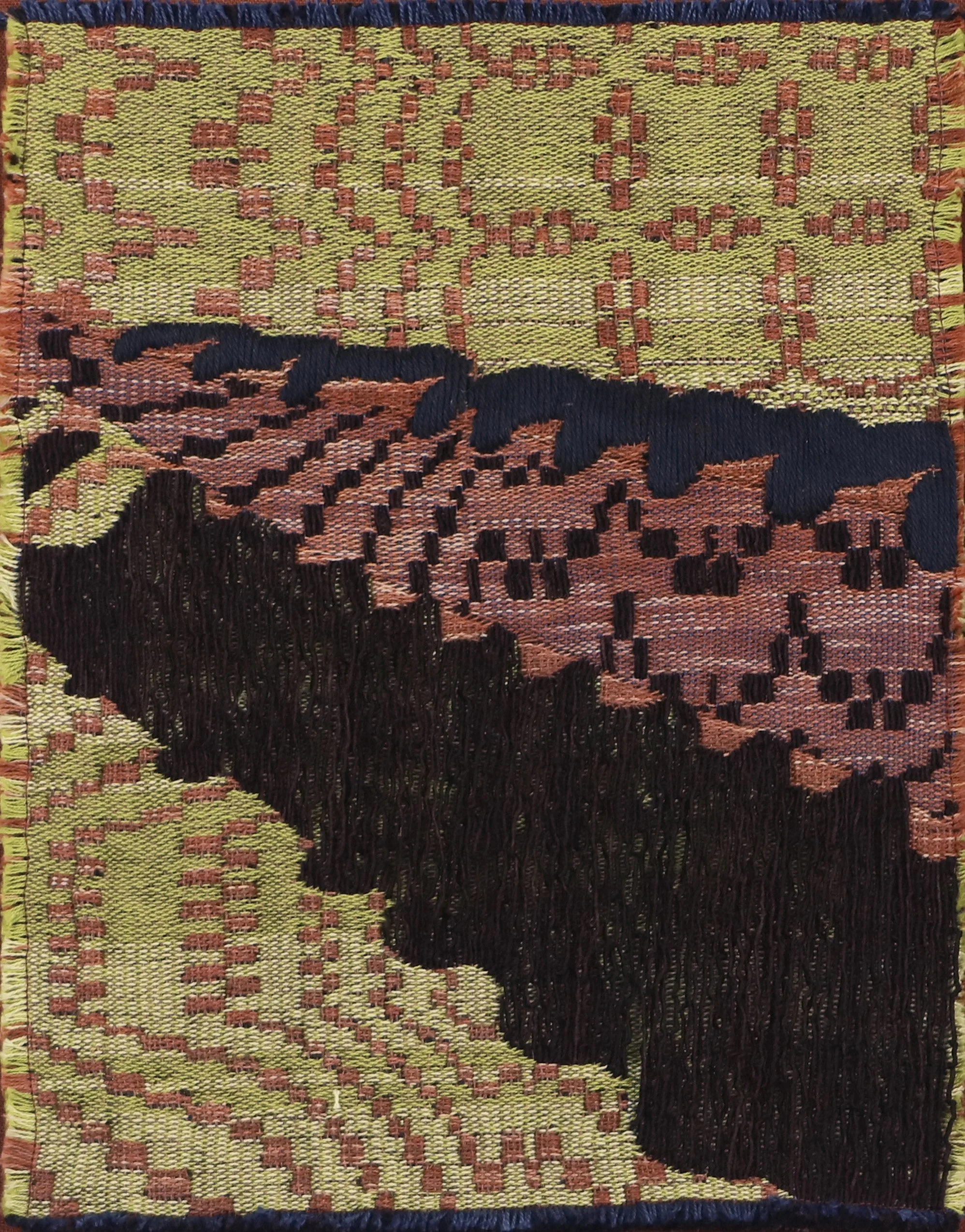
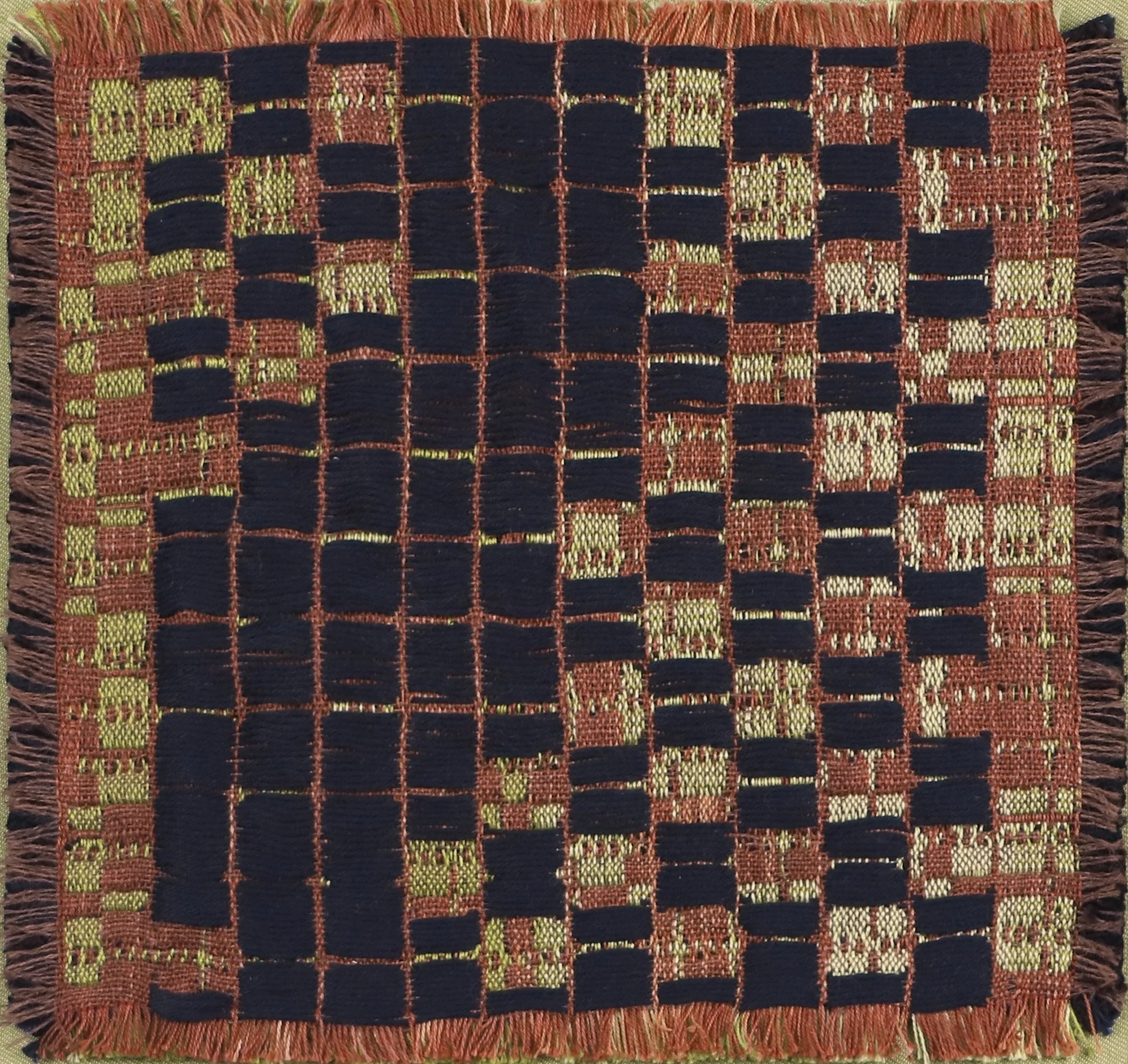
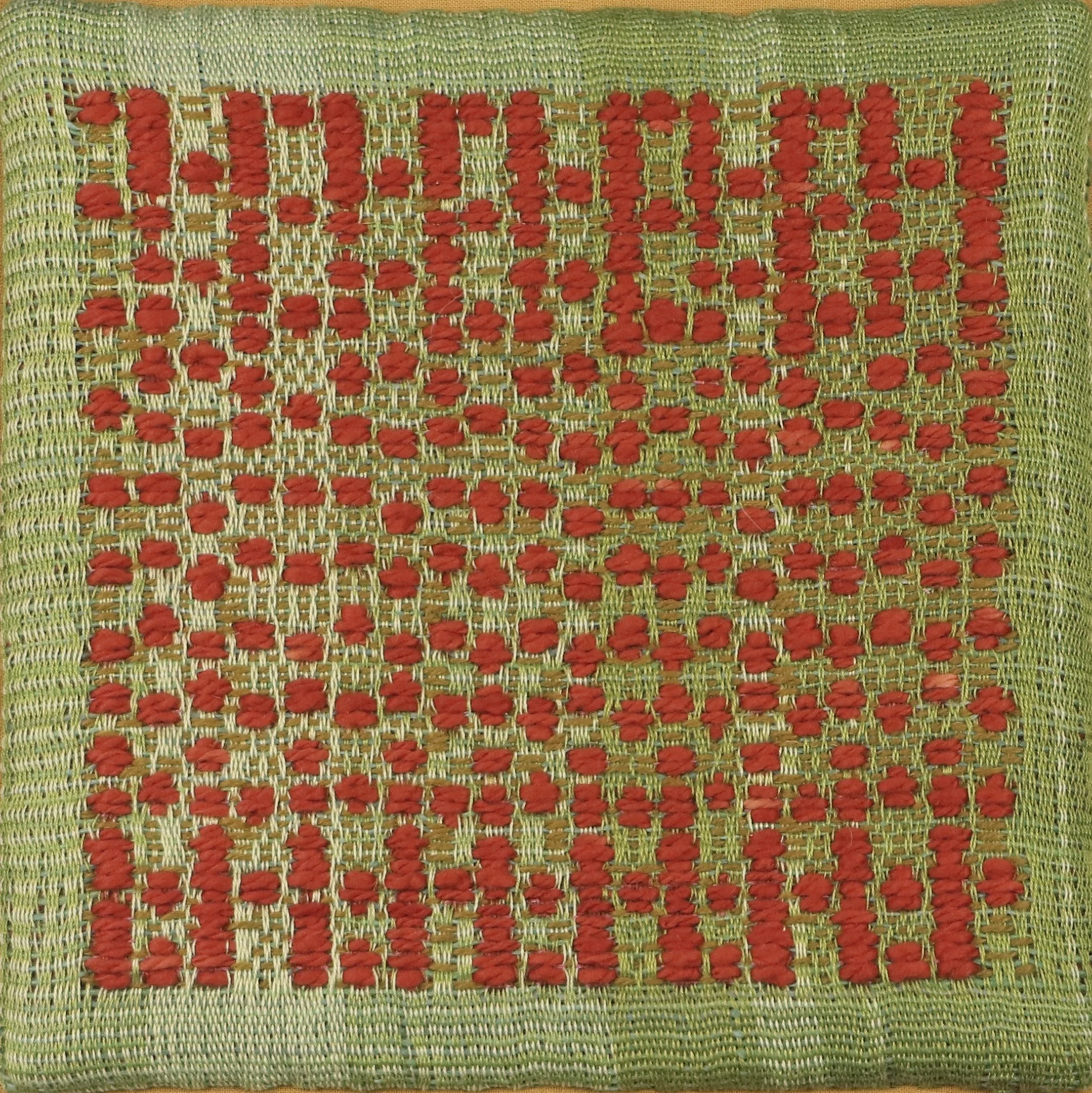
English draws on historic Southern Appalachian textile patterns as a framework for variation, abstraction, and material inquiry. While weaving patterns inherently operate within a grid, she manipulates the matrix to create shifting and layered compositions. Moving beyond blocks as a means of measure, English weaves compositions that resist closure and expand past the foundational pattern. English utilizes overshot weaving and the modulation of warp tension to destabilize the grid’s authority, allowing patterns to slip, fragment, and expand into moments of tactility and release.
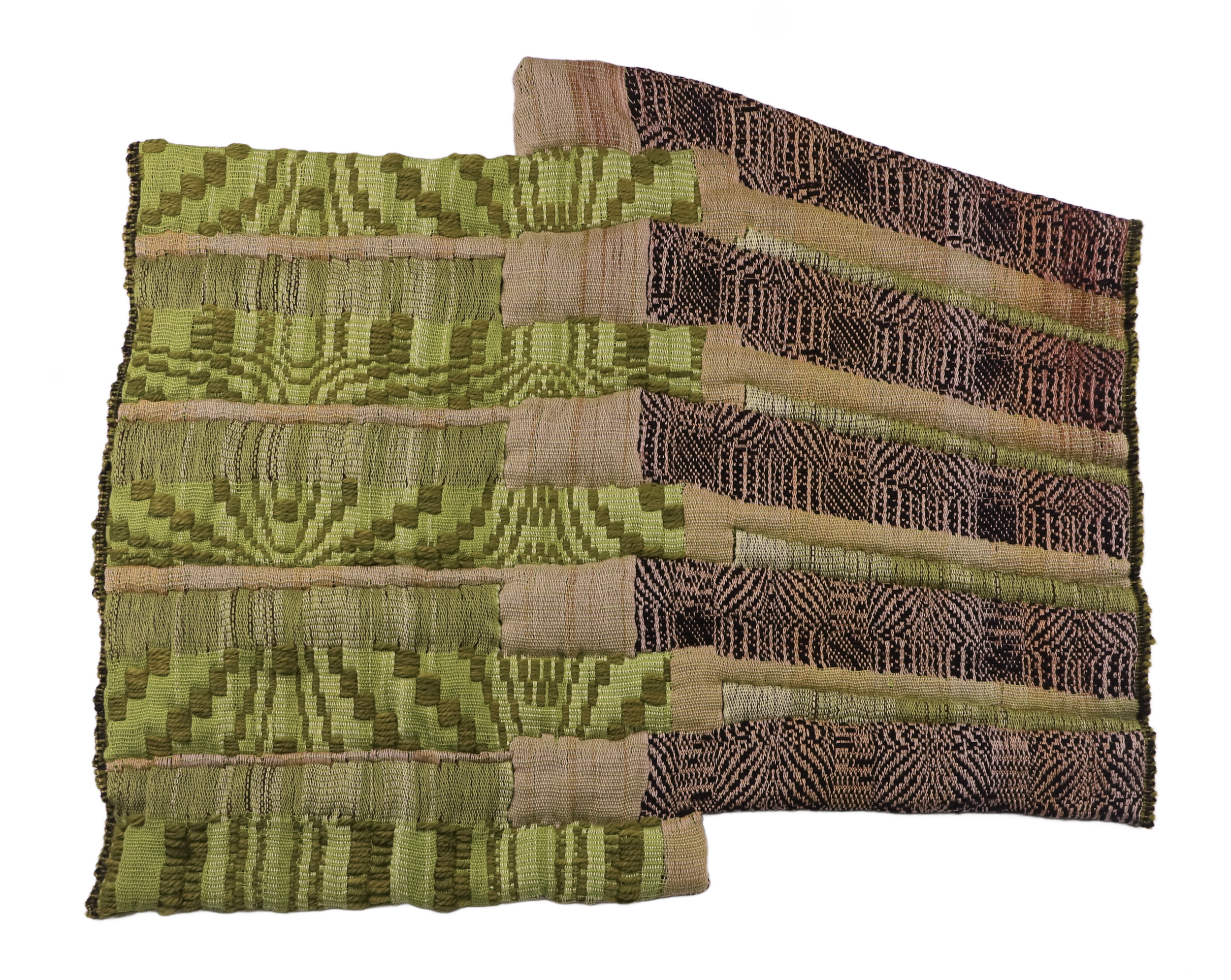
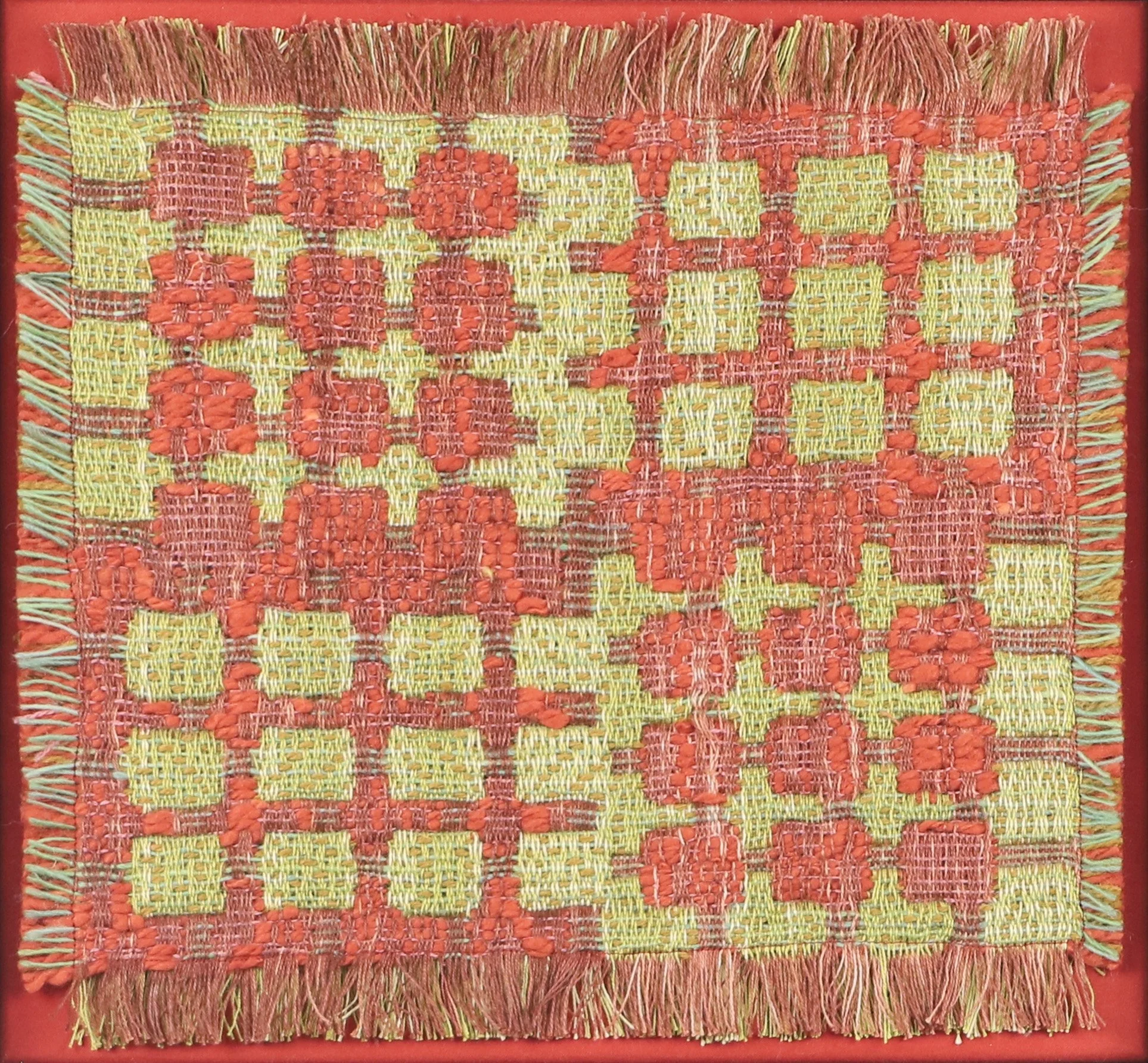
Overshot weaving is crafted through the creation of a tabby or “base” layer of weaving, while an additional pattern layer floats overtop the textile. The process itself requires keen attention to the tension of the warp but also creates pockets of color and pattern that seem to move beyond the surface of the textile, producing a subtle bas-relief. Patterns accumulate upon patterns, revealing both a grounded, historically rooted structure and a suspended, more abstract layer that operates as a counterweight. The result is almost a sense of imbalance, destabilizing the textile grid and creating moments of pattern illegibility.
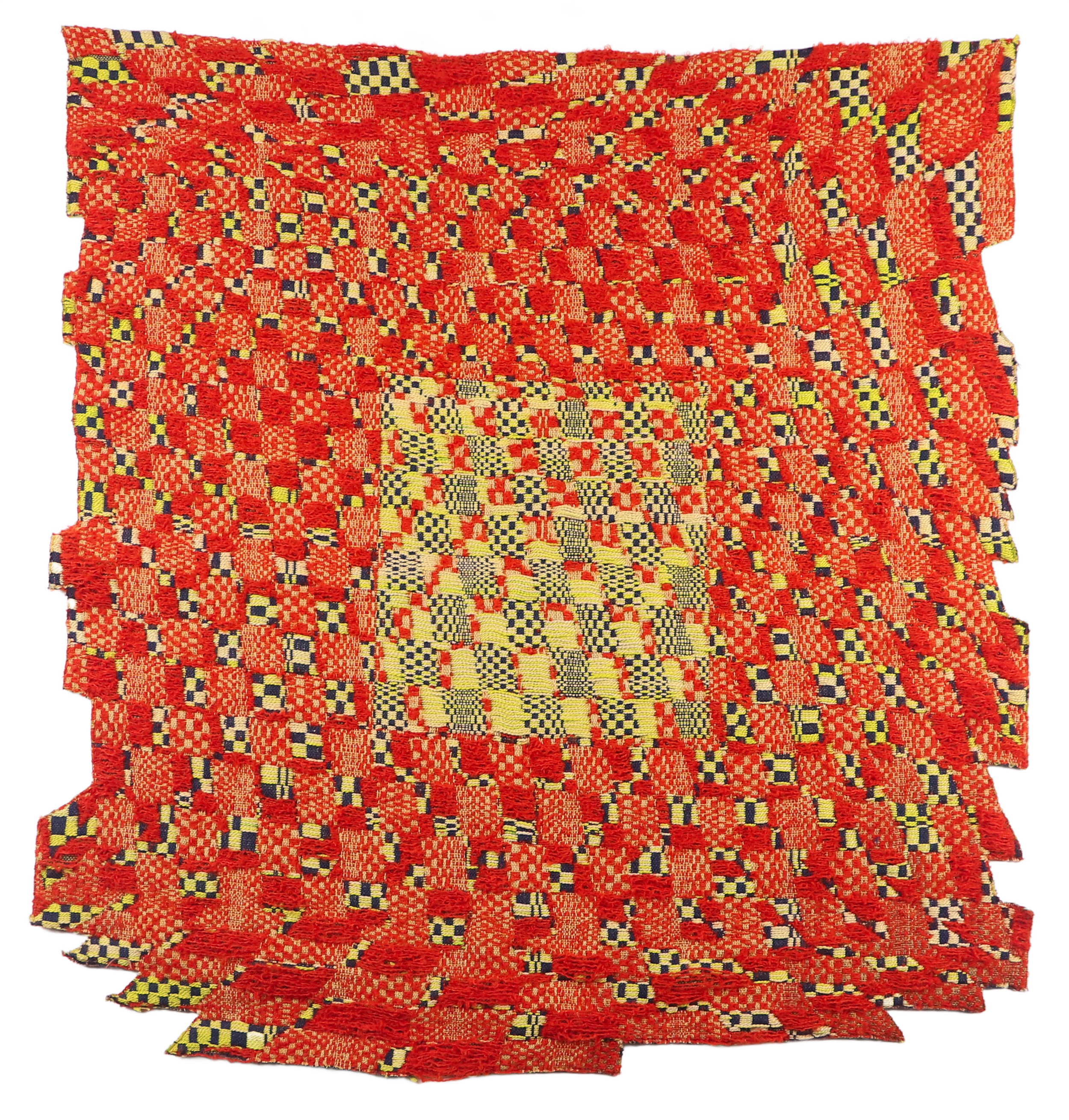
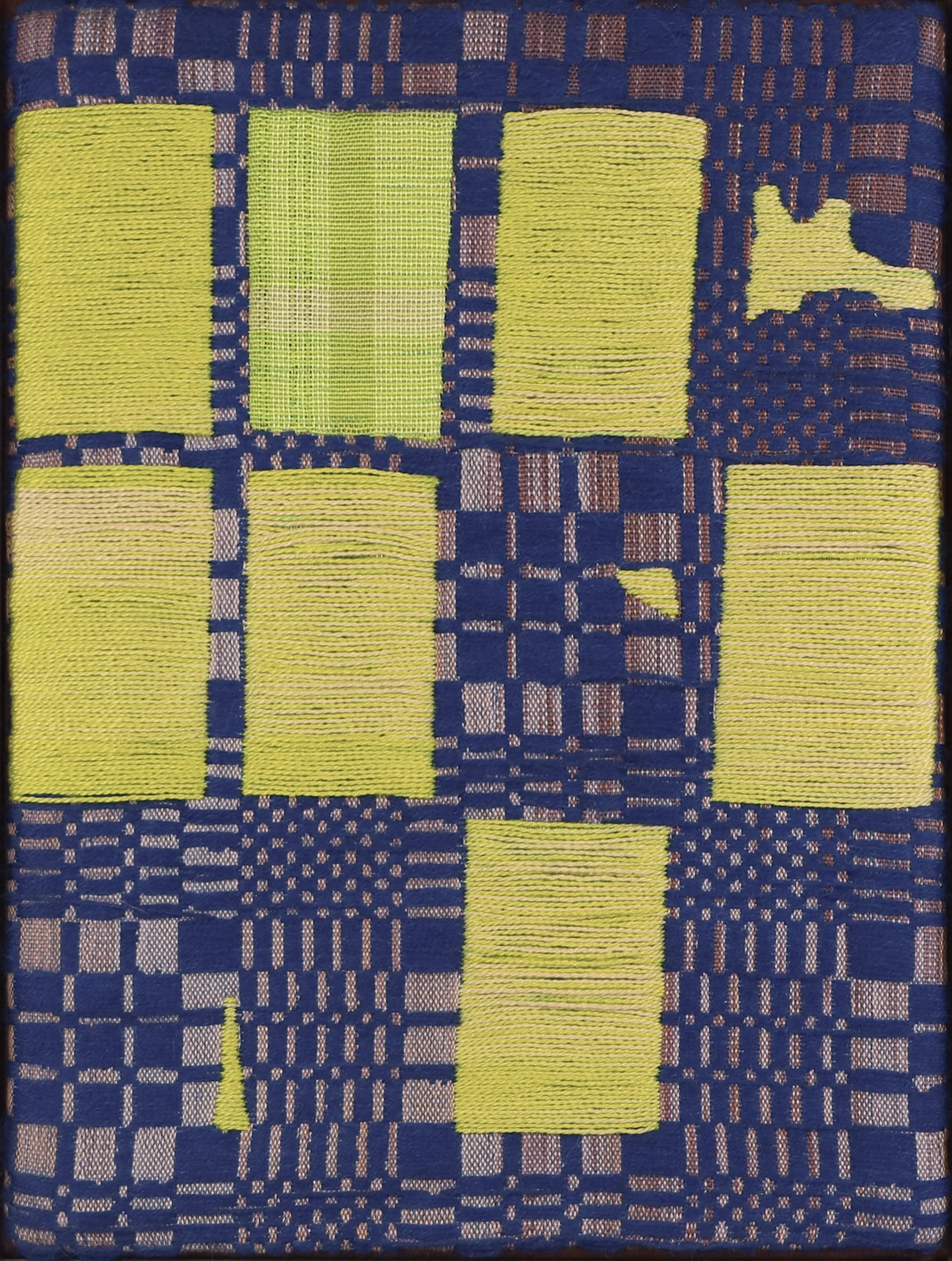
In Tiled Room, English utilizes both manipulation of pattern and overshot weaving to create this sense of control and instability. She weaves a grid of dark blue and yellow, interspersed with vibrant red squares. These overlapping forms emerge through overshot weaving, forming areas of negative red space that slowly reveal the pattern to the viewer. English further destabilizes the viewer by not stretching the work or containing the weave in a frame. Instead, the edges are cut and seamed along the natural, jagged lines of the woven pattern. In turn, Tiled Room, with its bright colors, layered patterns, and sharp edges, breaks into the surrounding space to create a hypnotic, yet contained experience for the viewer.
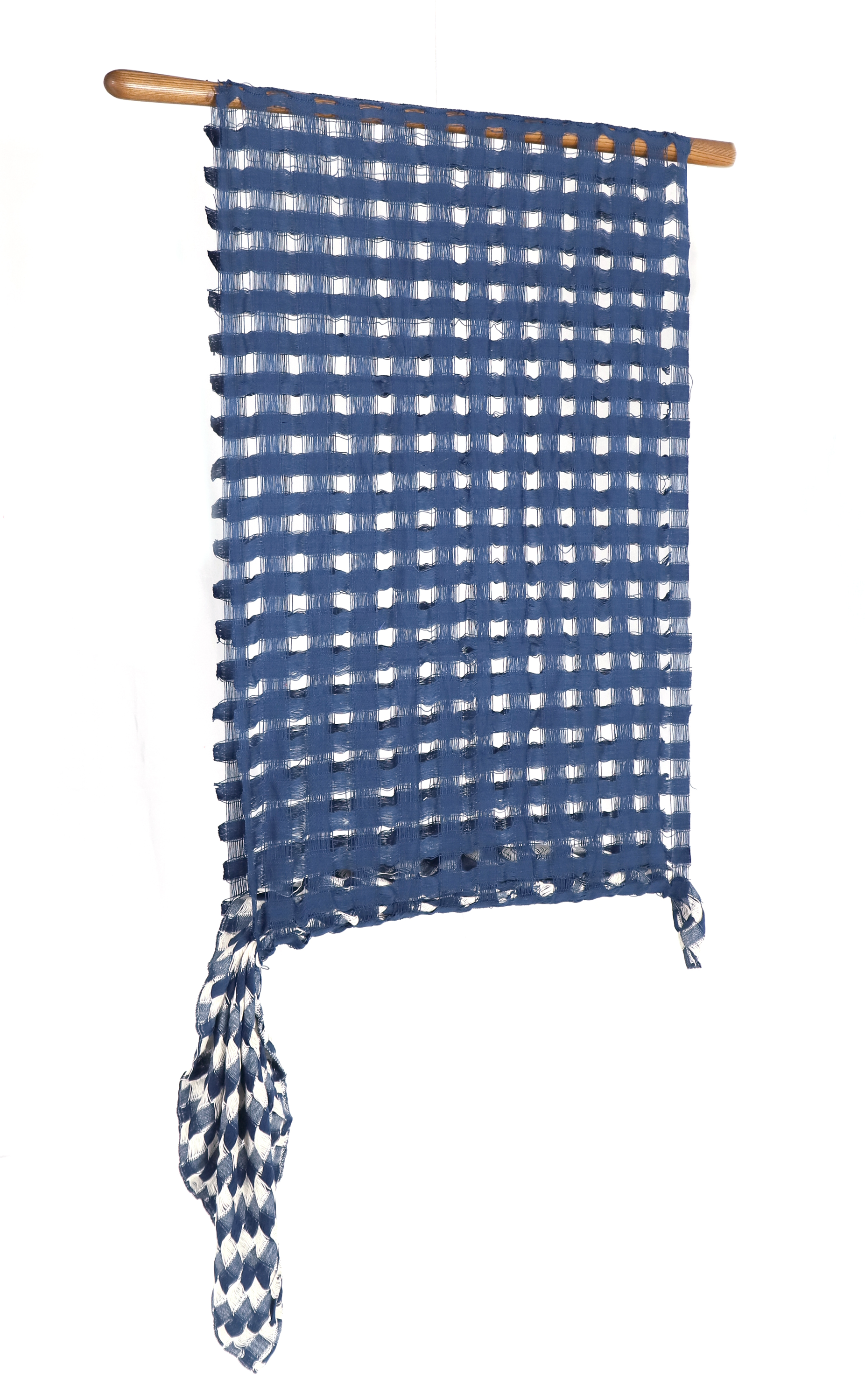
In Counterweight, English introduces a new disruptive force into her weavings: gravity. Textiles, which traditionally operate in two dimensions, are reoriented to incorporate volume and spatial presence. No longer confined to a surface image, these works assert themselves as objects shaped by forces of weight and tension, where gravity becomes an active force in the composition. In Mama, English employs a chestnut broom handle to bring the weaving off the wall and into the viewer’s spatial field. Suspension lowers the visual field to hover just above the ground below. The crook of this weaving cradles a second textile that drapes out of its berth to almost touch the ground, introducing a counterbalancing weight that contrasts with the weaving’s gossamer materiality.
Counterweight draws upon the foundations of pattern, block structure, and Southern Appalachian textile histories to investigate how thread can produce visual tension and balance. Structures and patterns, long transmitted across generations, are disrupted and abstracted to generate new, dynamic forms. Through careful adjustments and manipulations of overshot and block patterns, alongside the suspension of textiles in space, English foregrounds both the visual and cultural weight carried by craft histories.