Pierre-Auguste Renoir (French, 1841-1919)
Available Works
Biography
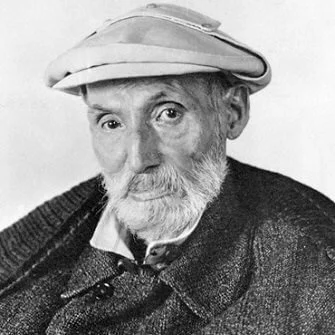
Pierre-Auguste Renoir (1841–1919) was a founding member of the Impressionist movement and one of the most celebrated French painters of the late 19th and early 20th centuries. Renowned for his luminous depictions of leisure, portraiture, and the female nude, Renoir began his career as a porcelain painter before studying at the École des Beaux-Arts and in the studio of Charles Gleyre, where he met Claude Monet, Alfred Sisley, and Frédéric Bazille.
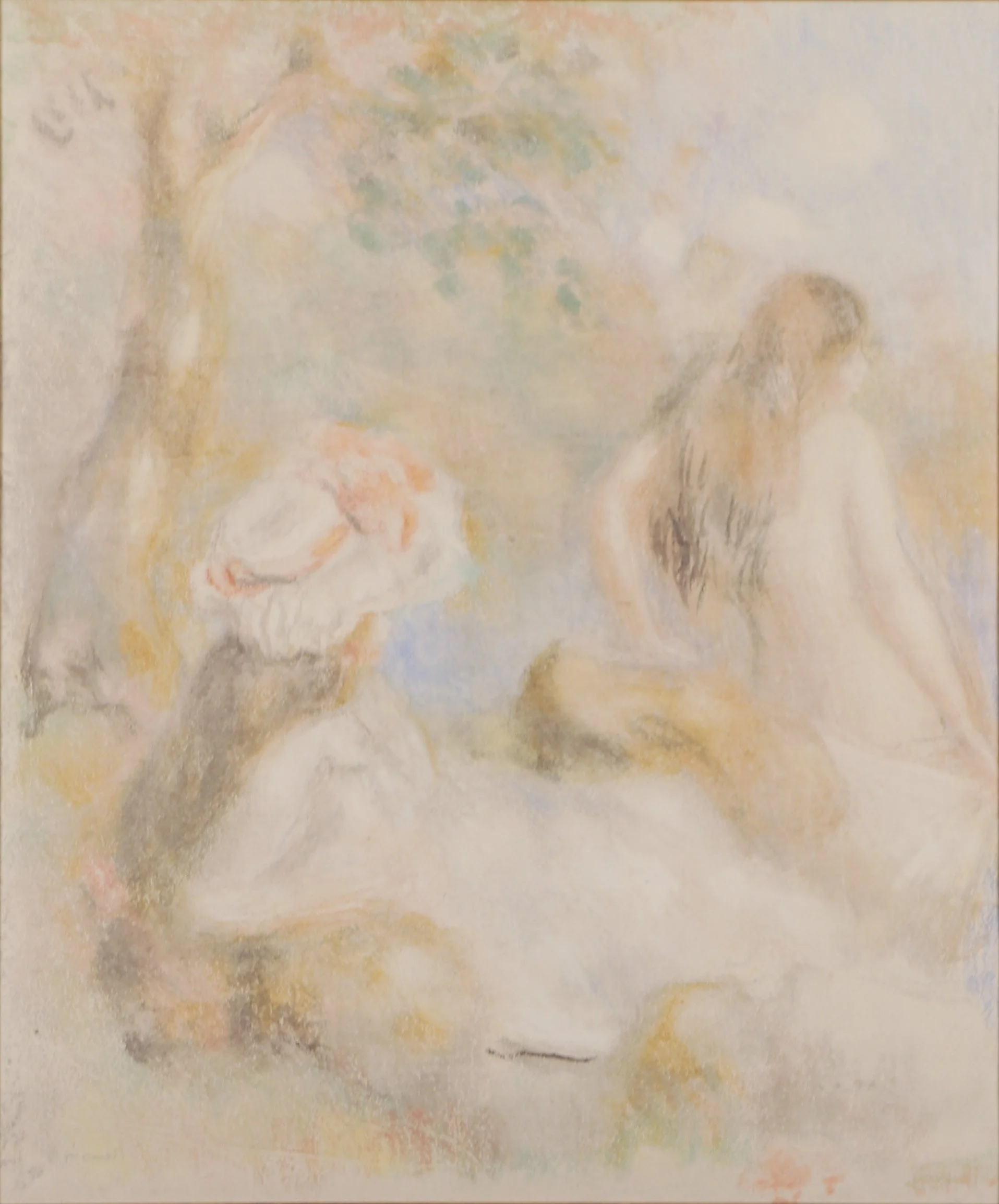
While he helped define the Impressionist aesthetic through works such as Dance at the Moulin de la Galette, Renoir gradually distanced himself from the group after 1877. Influenced by his travels to Italy and admiration for Raphael and the French Rococo tradition, he adopted a more classical and structured approach that emphasized the human form. His works from the 1880s onward display a synthesis of Impressionist light with the solidity of old master painting, evident in major canvases such as Luncheon of the Boating Party and The Large Bathers.
Portraiture was central to Renoir’s practice and helped secure his financial success, attracting a range of patrons from avant-garde intellectuals to members of high society. Over time, his style evolved toward greater sensuality and monumentality, culminating in the voluptuous bathers of his final years. Despite suffering from debilitating arthritis, Renoir continued to paint and even experimented with sculpture in collaboration with Richard Guino.
Renoir’s work was admired not only for its technical brilliance and warmth but also for its influence on a new generation of modernists, including Pablo Picasso and Henri Matisse. His legacy endures in major museum collections worldwide and in the history of modern art as a painter who bridged Impressionism and classical tradition with grace and innovation.