Ways of Seeing — Impressionism and Its Contemporaries
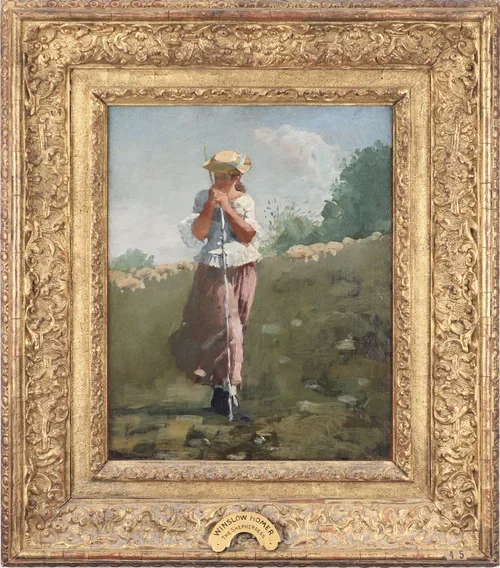
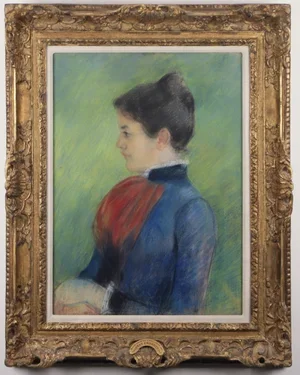
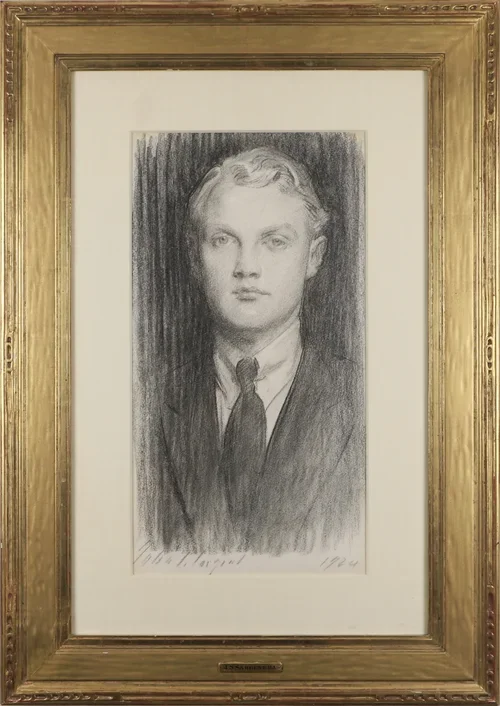
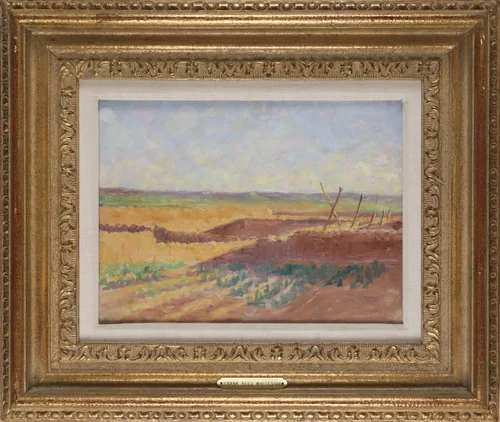
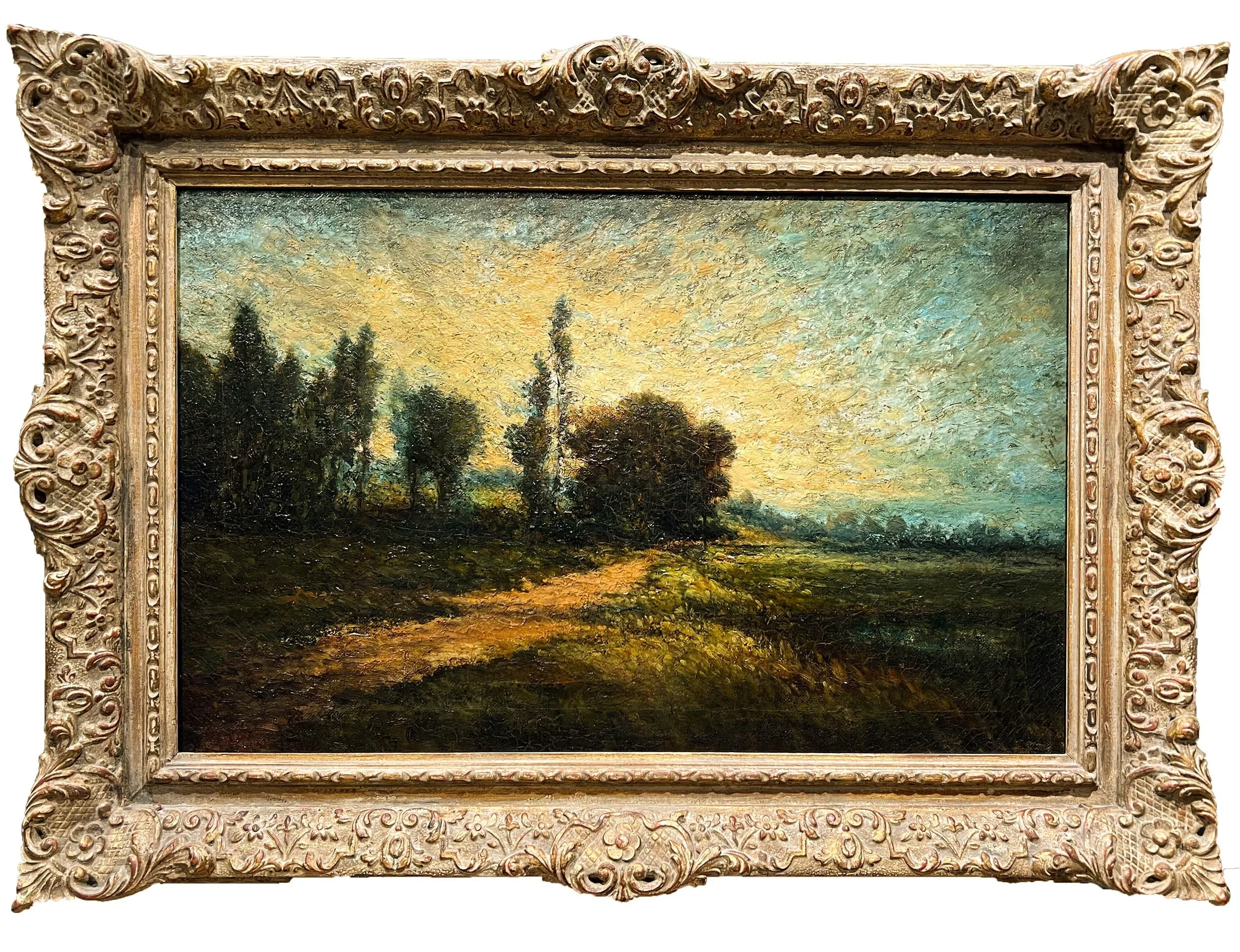
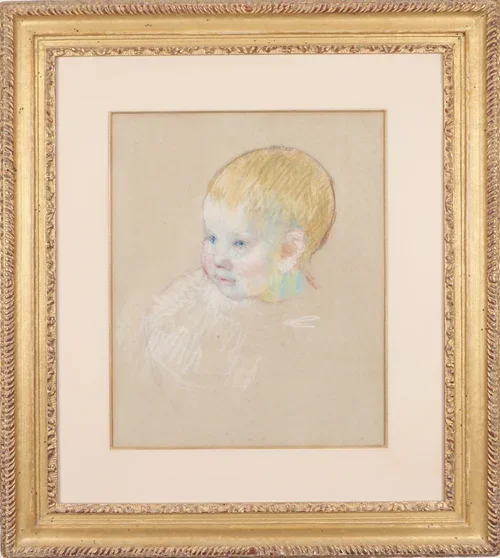
Arcadia Art Consultancy is pleased to announce Ways of Seeing: Impressionism and Its Contemporaries, composed of works from several prominent private collections. The show explores how Impressionism was not a style defined by nationality, but a shared way of seeing. Artists such as Mary Cassatt, Pierre-Auguste Renoir, Childe Hassam, Winslow Homer, and John Singer Sargent explore the modern redefinition of how life, light, and experience could be pictured through intimate portraits and sweeping landscapes. Impressionism revealed the diversity of modern artistic priorities, demonstrating how personal vision and subject matter shaped the period as decisively as stylistic innovation.
At the advent of Impressionism, artists were rejecting historical and classical painting in favor of painting by observation. In turn, their subjects turned to the everyday: a woman looking out the window, two figures bathing in a river, a casual portrait of an English aristocrat. Painting outdoors and from direct observation allowed for new ways of seeing light, shadow, color, and expressions. Pierre-Auguste Renoir, a founding member of the Impressionists in France, would apply this new perception to his work long after his departure from the movement. His work, Le Bain, comes from his later interest in Renaissance and classical painting, but maintains the keen eye and perspective associated with his impressionist roots. The light in Le Bain is illustrated by bright lines of orange and yellow, while the subject matter remains observational, a glimpse of an intimate moment of two women bathing.
Artists such as Winslow Homer married impressionistic landscapes with portraiture in a series of depictions of shepherdesses along sweeping hills. The women are depicted in a variety of poses with a strong sense of light and shadow, created through impressionist thick strokes of blue and green. In turn, the scenes feel vivid and dramatic, wind-swept Shepherdesses leaning on their staff after a long day of work.
Impressionism, one of the most foundational and radical movements of the 19th century, not only was about specific techniques but a whole new way of seeing. Artists, no matter formally part of the movement or simply influenced by the movement, began to look at everyday life with more color and light.